

1. Background And Motivation:
Throughout the development of different eras and periods of transformation, humanity has always maintained a sense of curiosity, driving society to continuously explore and evolve in directions that are more beneficial to itself. Let us adopt the perspective of future generations to draw lessons from history and explore the fundamental changes and developmental trends in society following its digital transformation; let us attempt to think beyond the current limits of digitalization to reflect on its potential outcomes, and adapt our visions by incorporating insights from the underlying materialist systems.
2. Case Analysis And Reflection:
(1) Sociological phenomena relating to human behaviour:
Exploring the fundamental industry operations and cloud server concepts used in digital transformation.
The concept of cloud storage has evolved from initial resistance to widespread acceptance, and has gradually become an essential part of daily life for most people as a standard information storage solution. Through integrated data storage platforms and real-time data transmission, it has solved information storage challenges for a wide range of individuals and complex scenarios. However, setting aside personal scenarios and storage needs, cloud storage remains a physical technical solution that addresses symptoms rather than root causes: it transforms private external hard drives and storage devices into centralized, large-scale storage systems and provides them as a service to individuals. Although continuous technological innovation has made it possible to minimize storage footprint, it still cannot escape the physical constraints required to achieve so-called “dematerialization”. (Just like the de-materialisation of the conscious body in the science fiction film ‘Lucy, 2014’)
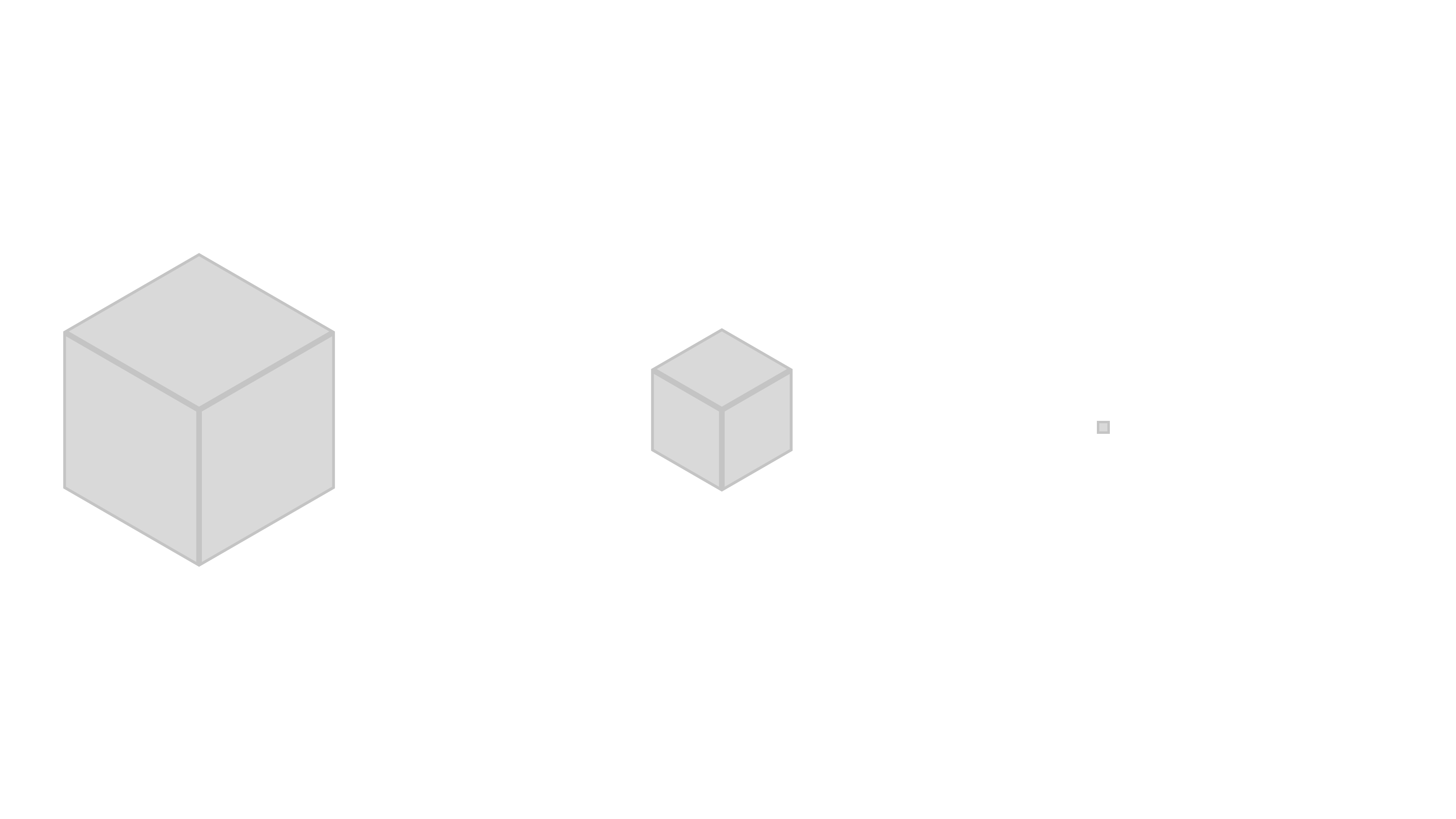 (Original information storage diagram 01)
While reducing the use of space and storage units, the objective fact of physical storage has not been removed; therefore, digitisation does not fundamentally address the nature of data and content storage but rather serves as a means of progress and a trend to drive society towards a digital economy, and to promote the concepts of digital storage and public ownership of information to a more popular level.
(2): Digitalisation accelerates human information acquisition and overlapping / Accelerated Data
The accumulation of personal and pathway data, and the potential risks arising from the accelerated information era.
The human personality and human nature are affected by the differentiation of information, the homogeneity and narrowness of human beings caused by the high-speed information age, from the point of view of the absolute time, the faster dissemination of information and the past has reduced people’s deep understanding and perception of some things and information, society is training people into a cognitive habit of pursuing higher efficiency and lack of patience; compared to sinking down their hearts and souls to watch a two-hour film, most people find it not as easy as a two-minute film or television commentary. Most people find it easier to watch a two-minute film than a two-hour film. Human beings’ access to information is gradually becoming superficial, and their cognition of things is gradually becoming “knowing” rather than “deep” and “understanding”; they are also developing the habit of relying on the storage of personal information, which eventually leads to their reliance on the storage of personal data. The reliance on personal data storage will eventually become the only important asset of human beings (Picture 02). In the long term, human cognitive homogenisation and individuality crisis will be the outcome and factors to be considered.
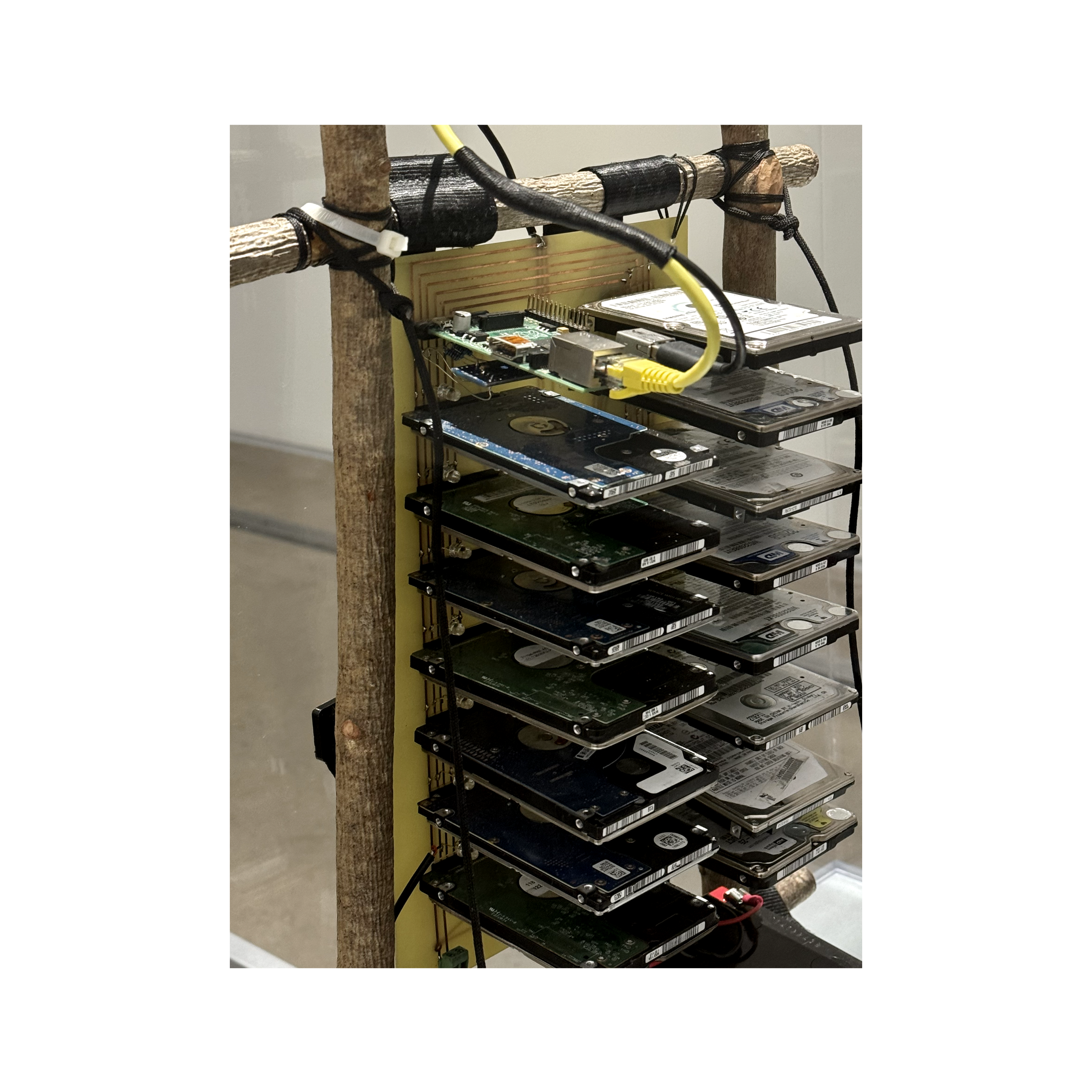 (Picture 02: Photoed at 국립현대미술관, Seoul, South Korea, 31 May 2024)
3. Equation Concept And Methodology:
(1): Unit Creation: Percentage of Digital Storage Occupancy
In terms of individual convenience, it has created value through meeting demand, but in terms of physical space, the essence remains unchanged; therefore, whilst the so-called digital transformation pursues information integration or efficient application, it is also subtly influencing and altering everyone’s behavioural patterns and real-world experiences. This outcome warrants careful consideration: one might well imagine that, in a highly digitalised social environment, physical spaces are increasingly being replaced by units of information storage, and the concentrated development of digital services also implies that more resources and demands must be considered from the perspective of the digital experience.
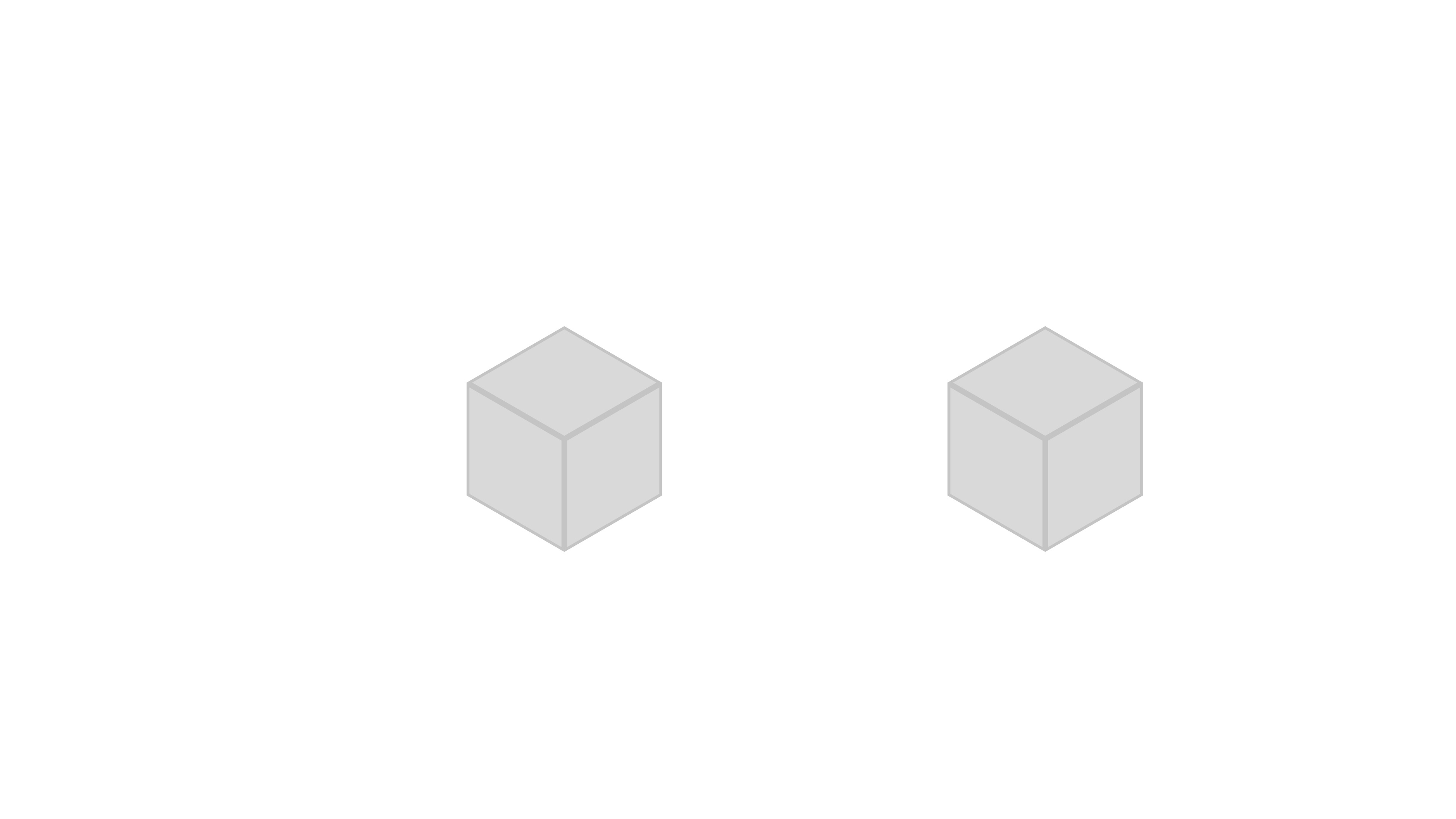 (Original diagram 03: Definition of digital Storage cccupancy)
Digital Storage Occupancy: implies the actual occupancy of a defined space for each digital storage type of object and its volume unit. It is used to assess the extent of digital space investment and the efficiency of space application in different spatial dimensions. As the most basic spatial measurement unit of value, it also rekindles the reflection on the value of physical space. Is the limit of technology and digitisation (i.e., Digital Storage Occupancy infinitely close to 100 %), which mankind seeks, equally desirable for the well-being of humanity?
(2): Unit Creation: Digitalisation value coefficient
Formula: Digitisation Value Coefficient (nA) = Reality Space Value Indicator (nB) x Percentage of Digital Storage Occupancy (%)
Referential Reality Space Value Indicator (nB):
— Reality-experienced sensory value: The value of reality as experienced through the senses and which cannot be replaced by virtual value.
— Humanistic value: The product of historical human intelligence that cannot be reproduced or transferred by digitalisation.
— Societal value: The social identity that people give to entities and the social interactions between people and objects.
Creating the concept of the Percentage of Digital Occupancy and the Digital Value Coefficients is an attempt to anticipate a future that is not clearly perceived at the present time; it also implies that a more rational and balanced assessment of the overall value of digital development is also relevant to humanity. Scientific and balanced assessment of the real spatial value of existing human beings (e.g. the real ecological balance index of regional development, urban land evaluation and planning, or the real value of a particular place); in order to ensure the rationality of spatial use and development.
To be able to establish a balance between the value of real space and the value of digitised space, so as to avoid technological extremes that could lead to an end.
*The ownership of the project and the information belongs to the individual only for communication and sharing. Do not copy or use it for commercial purposes.