

1. Introduction:
Behavioural Impact < Decision-making Behaviour < Decision-making Judgement < Criteria for Judgement
By analysing the essence of behavioural phenomena, we can see that the behaviour of human groups and individuals is constantly changing in response to different decisions. Here, ‘decisions’ encompass not only problem-solving decisions, decisions regarding innovation and development, or decisions concerning individual behaviour, as we might typically conceive them. Consider, for instance, the ways in which people met their various daily supply and demand needs in the early days of the internet, compared with today’s highly dependent habits regarding the use of platform functions; or look at the methods people have adopted to deal with passive problems in the context of the COVID-19 pandemic and the impact this has had on individual habits. It is therefore not difficult to see that the decision-making behaviours people adopt at different stages and under various circumstances exert a lasting influence on the subsequent outcomes of their actions; indeed, as the scope of these influences expands, they may even give rise to interconnections across multiple dimensions. Consequently, as we explore the many uncertain future factors and turning points, do humans possess sufficient judgement and decision-making methods to formulate reasonable responses or pursue new avenues from a multi-dimensional perspective?
2. Individual Behaviours From Sociology Analyse:
(1) Sociological phenomena relating to human behaviour:
(The interrelationships between individuals, groups and social systems)
Human consciousness determines the perspective from which an individual approaches problems; mainstream thought, emerging as part of the human social fabric, is recognised by individuals within society and adheres to the laws governing human social development. Consequently, when we examine the relationship between the individual, groups and society, we find that although the individual possesses an independent mindset, they are inextricably linked to the surrounding groups and the social system — a relationship that could even be described as one of complete inclusion. This is because the channels through which different individuals access information, and the extent to which they can expand their knowledge, are constrained by physical media as well as the subjective information intake of other individuals. Consequently, the channels through which information is transmitted and acquired, as well as the mutual influence between different individuals and groups, have gradually become underlying factors in the behavioural decisions of human individuals.
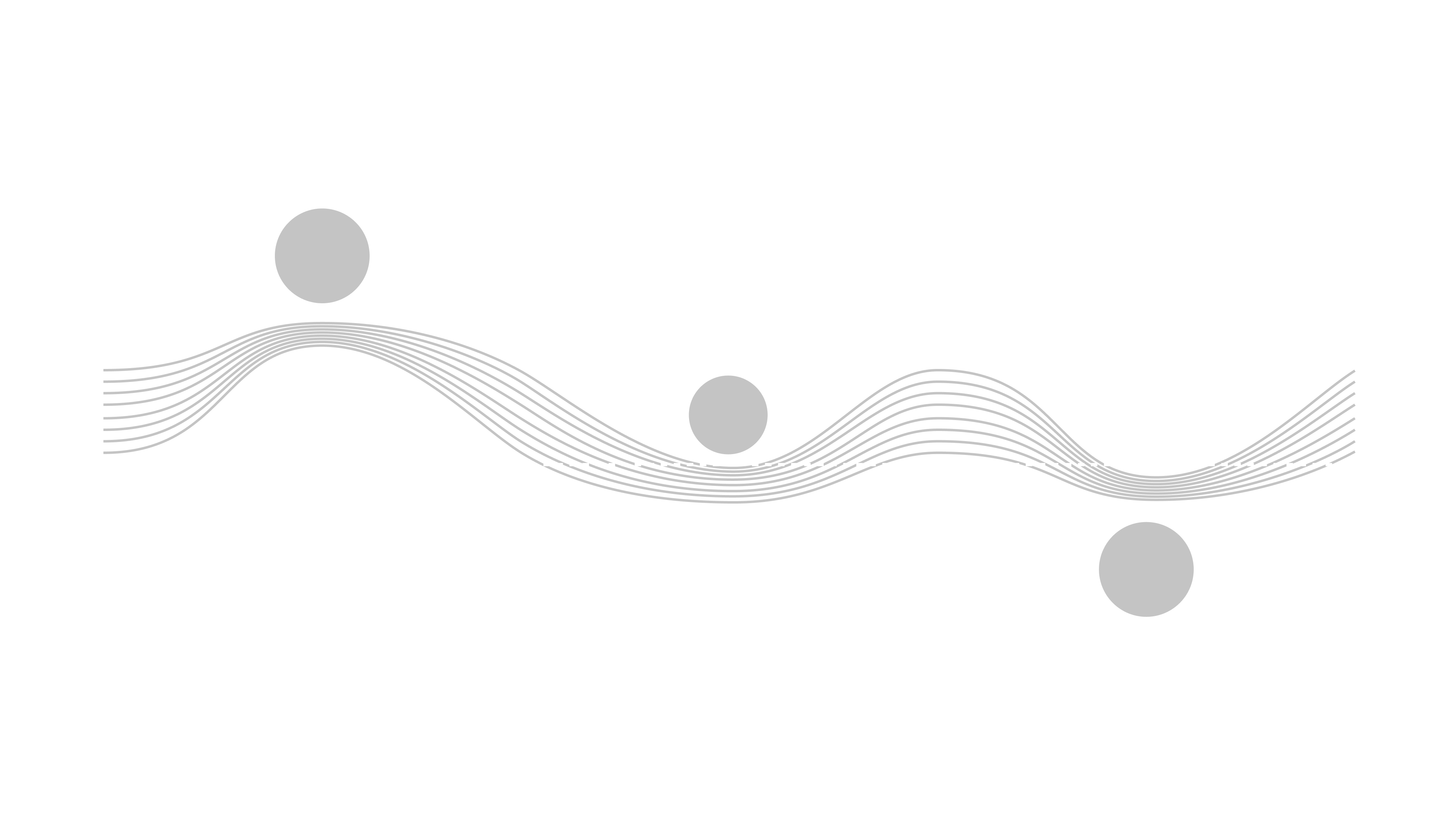 (Original diagram 01: Influences of behavioural possibility)
(2) Analysis of passivity and dependence of humans:
In light of the relationship between the individual and the group mentioned in the previous section, many unconventional perspectives fall outside the conscious awareness of most people, as they may seem insignificant when compared to the social relationships within the human society in which we live. However, when it comes to analysing the subtle, pervasive influences and behavioural motivations, there is a great deal of passivity in mass behaviour; this passivity is shaped by limited awareness and often goes entirely unnoticed. Because we take so many phenomenon-level influences for granted, to a certain extent, from the perspective of human society, we as the general public have no choice but to exist merely as recipients; indeed, the resolution of most needs is based on this very behaviour of acceptance or choice, serving as the logic behind the fulfilment of phenomenon-level needs or the expansion of services.
(3) Perspectives on the current market and the proliferation of information:
It is much like the launch of a new product or application: from its introduction to the market to its acceptance by the majority of users and its becoming an indispensable part of daily life. From the creator’s perspective, this appears to validate a successful problem-solving opportunity or the emergence of a valuable product; in terms of existing social structures and application tiers, one must acknowledge that this is the logic behind success. This is because, in many cases, for users, it may well be a reasonable solution that addresses their immediate problems. However, if we factor in the passivity of the general public, we must ask whether the majority of users have accepted the functionality it offers under conditions of passive choice — perhaps because it is the best option available to them, or because they lack the necessary awareness, the cognitive capacity to think critically and explore alternatives, or the resources and channels to create their own optimal solutions or identify the solutions that truly meet their needs.
3. Reflection and Imagination:
From the perspective of social phenomena and behavioural motivations, the majority of the mainstream population exists in society in the role of a recipient. Although they possess the right to comment and judge under certain conditions, when faced with a new technology, service, product or behavioural practice, most people will accept it whilst going through stages of experimentation, scepticism, criticism, adaptation, confusion or silence; they will gradually become dependent on it, and it will become an indispensable part of their lives. This phenomenon occurs when people are required to make changes to their daily routines or need to replace or substitute behavioural mediators. This phenomenon manifests as a dependence and conformism arising from restrictions on objective autonomy of choice and from concerns that are not of primary importance.
Moving from phenomena to essence, we should consider the interplay between the dependent and passive nature of human behaviour and social relationships — as discussed — and the methodological approach of anticipatory, speculative future design. Therefore, whilst we continually define and explore the future (from the present to a more desirable future), and attempt to concretise the standards and direction of human exploration in relation to the future; should we not give greater consideration to establishing and maximising more diverse, standardised reference frameworks and hierarchical criteria for decision-making within the quadrants of uncertainty, the unknown and possibility? We should explore opportunities for exploration and development that are more balanced, desirable and rationally focused, from the perspectives of passivity in the temporal dimension, as well as the attributes and relationships of human social and material forms.
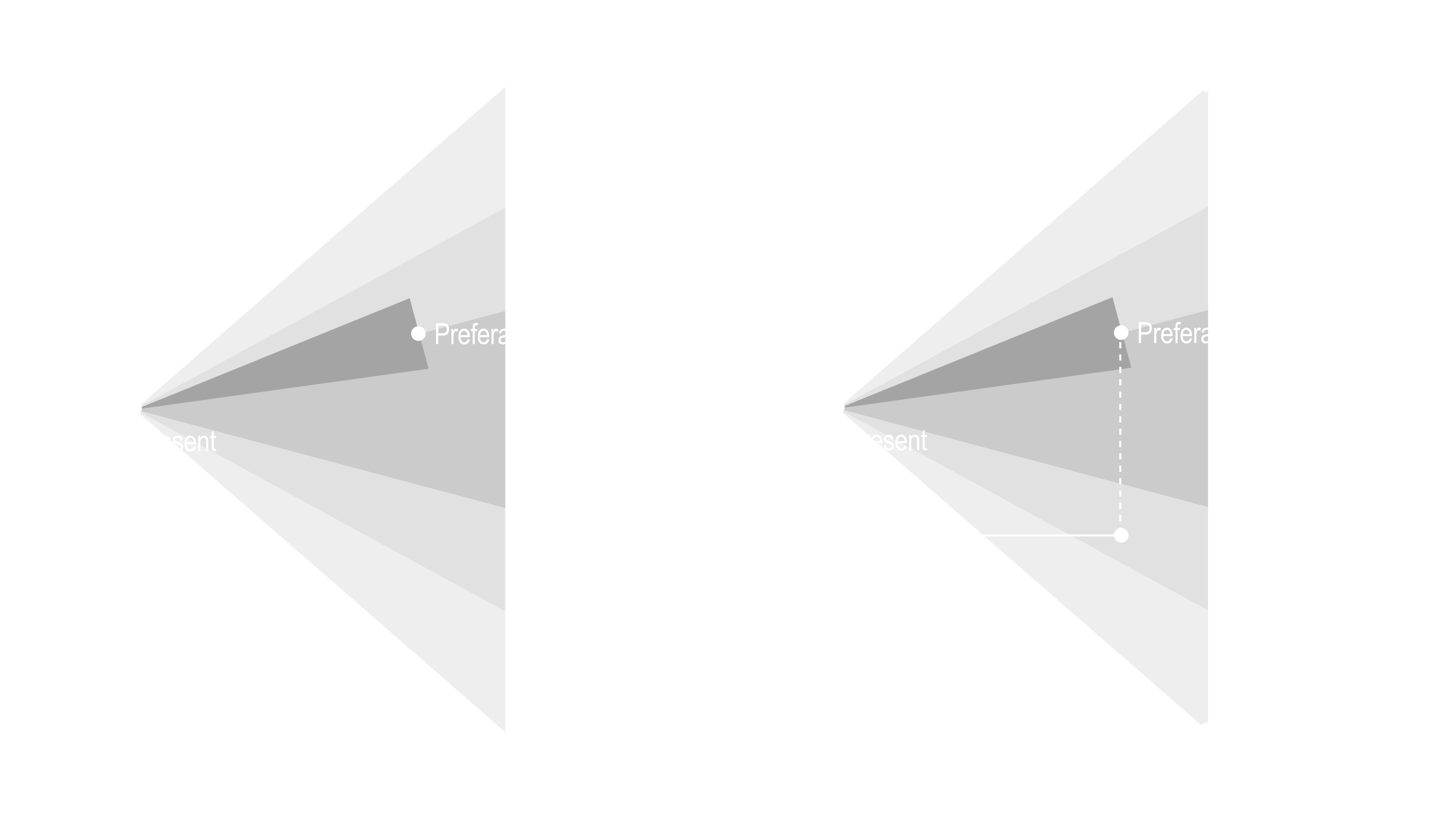 (References cited in: pppp. from Speculative Everything — by Dunne & Raby)
Convenience, Demand, Functional, or Group Dependency
Technology Application / Societal Development / Popular Influence / Independent Thinking Passivity
(1) Historical traceability:
This refers to retrospective exploration based on relevant areas within the industry and historical development trends, such as the context of the industry’s development and convergence, and how practical exploration was carried out at key junctures in the application of technology and innovation in the past to achieve the current outcomes and influence. The aim is to review and analyse case studies of retrospective development exploration and successful or failed application attempts, and, by combining process- and outcome-oriented assessments, to evaluate the objective value and impact of the technology or application on decision-making during the development process in comparison with the present. Given the decision-making insights and subsequent influence derived from past developmental experiences, this approach holds reference and analytical value for current innovation efforts. It should be considered as one of the criteria for assessment in fields such as technological innovation and application at the present stage.
(2) Predictive analytical capabilities:
This refers to the anticipation of potential outcomes for current strategic decision-making plans, whereby the value and bidirectional (positive and negative) impact of a future decision are assessed through an analysis of the likelihood of different outcomes. This enables the early evaluation of a decision’s tolerance for error, future development potential and potential risk factors. It is of significant importance for assessing innovative decisions during the exploratory phase of their application.
Consequently, for groups or organisations that possess the conditions, resources and capabilities to explore or undertake technological exploration and application on a broader scale, the assessment of functional or innovative outcomes and the selection of development directions are crucial.
Take speculative commercial innovation as an example: this involves more than merely the success or failure from a commercial perspective, or analysing the profitability outcomes and the risks associated with the path taken. Rather, it requires deeper and more multidimensional rational reflection on the influence and interrelated effects generated by such outcomes (for example, by adding dimensions to predictive analysis: the impact on other potential user groups; the degree of intervention in non-human societies or communities; and the influence of values extending beyond commercial marketing models) to make more reasonable and objectively responsible decisions within an expanded framework of decision-making criteria, whilst proactively assuming responsibilities that are both ethically sound and aligned with sound macro-level development directions; and, in the context of the new era, incorporating the concerns and value judgements of the new generation (based on indicative trend data: the new generation’s sense of ownership and collective consciousness, their perception of community, and the incorporation of individual value judgements into decision-making) to exert greater guidance in collective decision-making and exert an influence on future development that aligns with balanced ethical values.
*The ownership of the project and the information belongs to the individual only for communication and sharing. Do not copy or use it for commercial purposes.