
1. Background:
With the continuous rise and widespread adoption of internet applications, people have gradually become reliant on them in their daily lives. To a certain extent, people are expanding the application of science and technology to enhance convenience and connectivity for both individuals and society as a whole. Setting aside the macrocosm of the universe, the relentless pursuit of technological breakthroughs and applications represents an inevitable trend driven by the pursuit of benefit within human society.
Given the current state of human utilisation of virtual platforms (technological applications based on data, cloud computing and the internet), including virtual reality and augmented reality technologies, these are being further developed and utilised to enable people to integrate more effectively and enhance their experiences on these platforms. Looking to the near future, I am curious to see how the relationship between virtual and real environments will evolve.
2. Critical Thinking:
From a philosophical perspective, there is no absolute truth regarding the relationship between the virtual world and the real world. Just as we are unable to provide conclusive evidence to prove that our reality is indeed real, or that everything we experience in life is necessarily true, it may well be that we are already experiencing a ‘real’ life within an extremely advanced virtual world that we perceive as genuine.
Setting aside this infinite loop of a question, is there any value in distinguishing between the two? Perhaps, once human society has reached a certain level of saturation, it will naturally expand into new realms within virtual environments — much like a ‘virtual within a virtual’. If this is an irreversible trend in human development, then perhaps further reflection is superfluous. However, given the current relationship between reality and the virtual — or, as we might call it, the relationship between the second and third layers of virtuality — is it necessary for us to distinguish between them more clearly, or even to prevent this from happening altogether?
Would this constitute an act of escapism and irresponsibility on the part of a particular generation?
From my personal perspective, however, I cherish the experiences that the current reality offers me, even if it is merely a tiered virtual reality in itself. I believe that as humanity flees into the virtual — or towards the next level of virtual reality — we must reflect on whether we can truly cast aside our present reality to journey to the next ‘paradise’. Therefore, amidst the increasingly blurred boundaries between the two, I am more inclined to distinguish between them; perhaps this offers a possibility of breaking free from the cycle, and is also a manifestation of humanity’s ability to cherish the present moment.
 (Original V/R transition diagram 01)
3. Insight Definition:
Given the circumstances I am able to experience at present, I shall use some relatively concrete examples to describe the nature of this issue, categorising them into two specific, formalised processes and moments: short-duration, high-frequency shifts and long-duration shifts. Might the feelings and psychological responses these evoke in people during this period constitute a potential psychological crisis in the future?
Or could these unrecognised emotional responses, perhaps, serve as an opportunity for people to cherish the present reality more deeply and to distinguish it from relatively virtual environments?
(1) Short-time, high-frequency transition:
This generally refers to current internet platforms and their widespread use, as well as virtual applications in real life; people often switch frequently between the virtual and the real. Just as people might interact via their mobile phones whilst commuting, whilst at the same time keeping an eye on their walking route and the traffic conditions in the real world, they therefore switch back and forth at a high frequency.
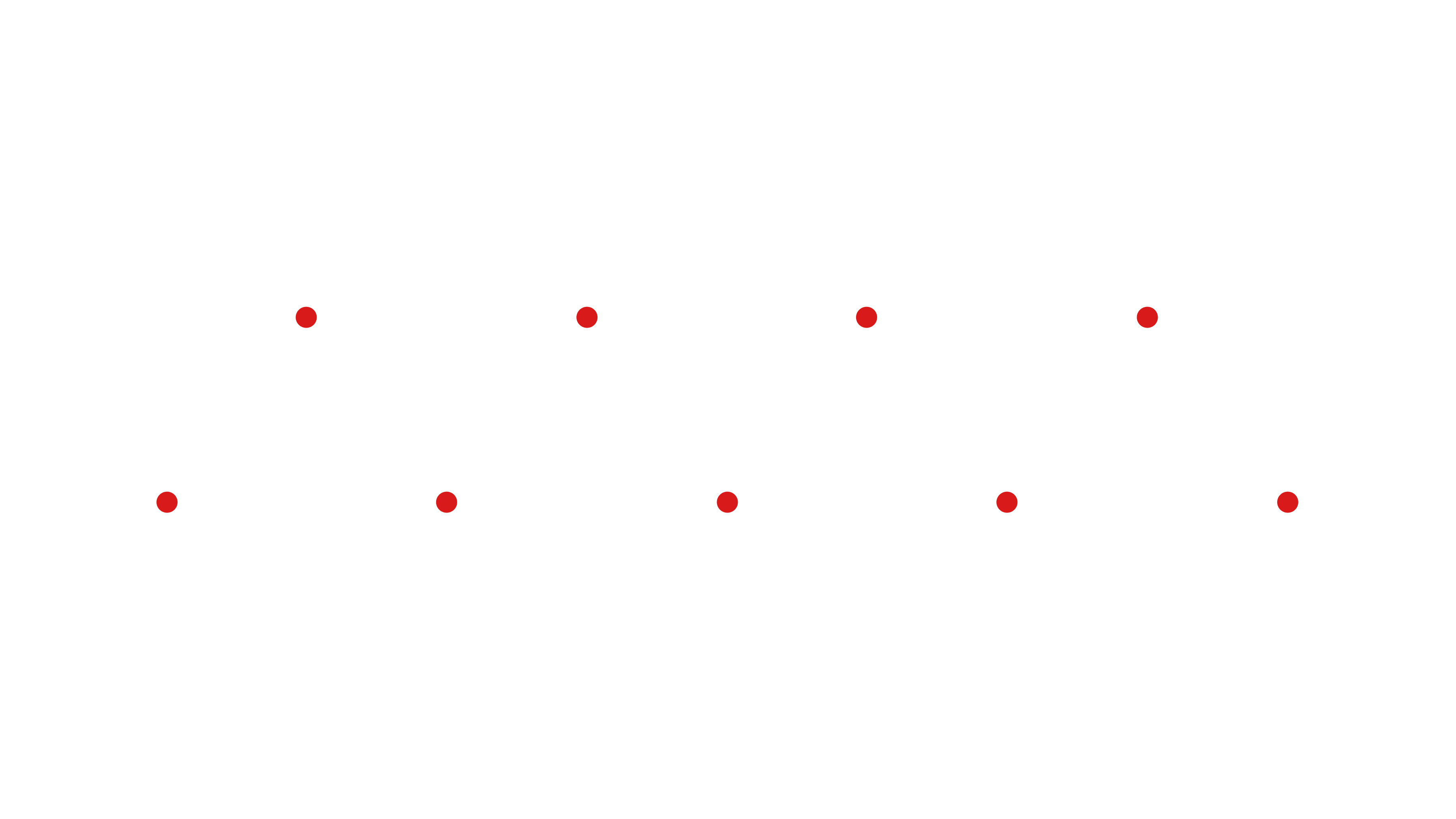 (Original V/R transition diagram 02)
(2) Long-time transition:
This usually refers to the process of switching back to a relatively real state after spending a long time in a relatively virtual one, or to the need to transition into a relatively virtual state after spending a long time in a relatively real one. It is akin to the instantaneous transition that occurs when, after a long period of online work or a prolonged virtual gaming experience, one switches off the device and instantly returns to a relatively real state.
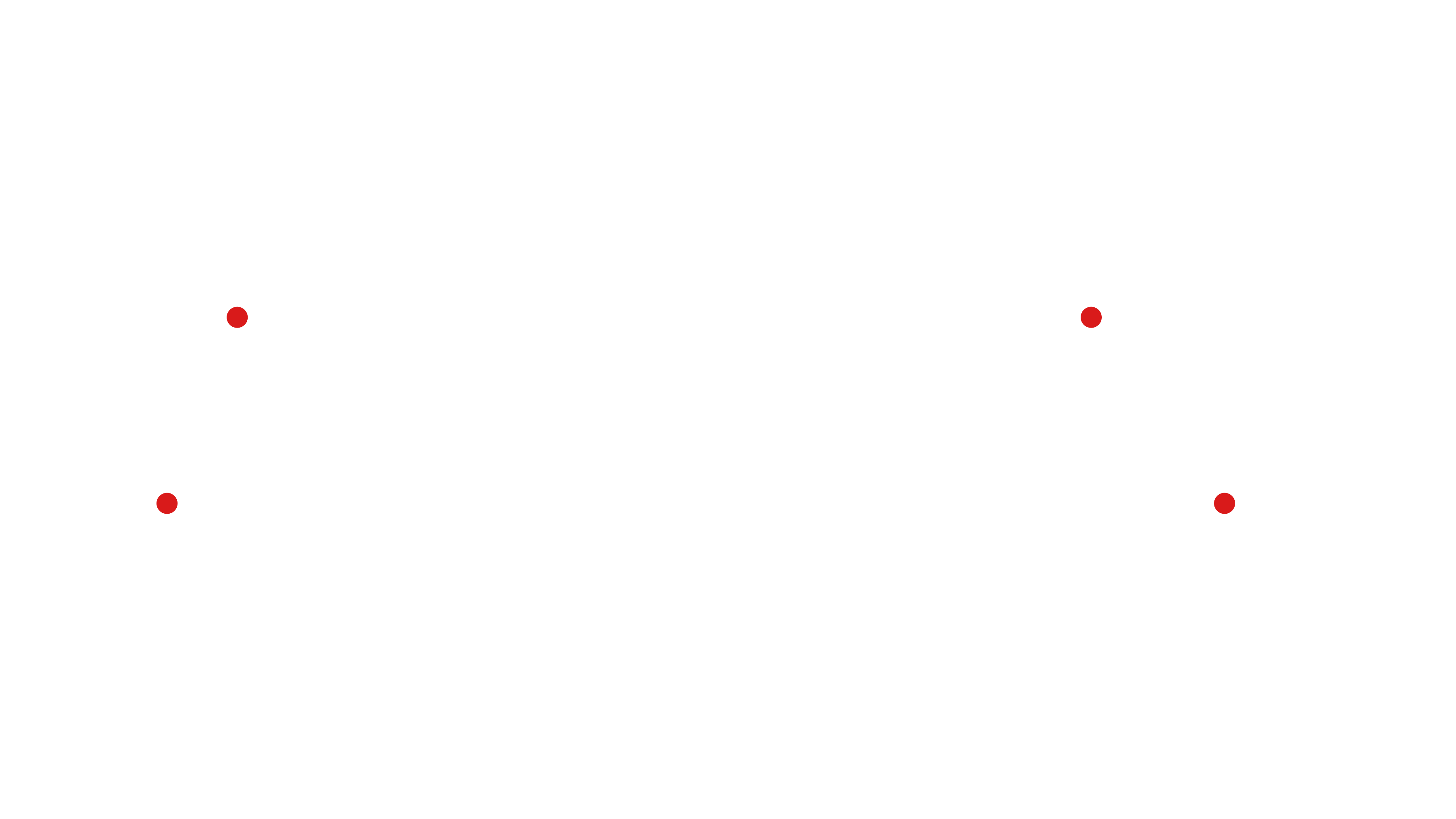 (Original V/R transition diagram 03)
I believe these two distinct states of transition both offer an interesting point of entry and are worthy of deeper reflection on their behavioural significance and potential psychological issues. At the same time, however, these two states — which differ in duration — possess distinct characteristics: one involves a varying degree of disorientation, whilst the other provides a unique perspective from which to consider the distinction between the virtual and the reality.
4. Conclusion:
Personally speaking, regardless of the authenticity of reality and the virtual, the process by which people switch between these two relative realms involves a certain degree of instantaneous transition, accompanied by a latent sense of disorientation or even a feeling of being lost. As the boundaries between them become increasingly blurred and their use becomes more widespread and frequent, this state may well develop into a latent psychological disorder; people may find themselves entering a new realm of relative existence before they even realise it. Let us provisionally term this unknown psychological state ‘switching neurosis’.
I hope this particular state will prompt self-reflection on the relationship between relative virtuality and relative reality for humankind.
From a human perspective, I would further hope that this particular psychological state might lead us to reflect on the direction and significance of humanity’s next stage of development — whether we have truly achieved the developmental goals of human society, rather than merely entering a new iterative cycle of relationships. At the same time, we must reflect on whether the experiences and sensations derived from relative reality and relative virtuality have equally fulfilled the intrinsic value and meaning of human existence.
From the perspective of a broader systemic framework, if this iterative cycle between relative reality and relative virtuality constitutes a necessary phase in human development, what benefits might such behaviour bring to the reality at the next higher level? If breaking this relationship could better balance humanity itself with the system, how might we enable humanity to become aware of this state at an earlier stage, and how might we mitigate and treat the potential impacts of this ‘switching neurosis’?
In this way, we could establish a true definition of value between reality and virtuality for humanity, and realise a more balanced development that is imbued with human characteristics.
*The ownership of the project and the information belongs to the individual only for communication and sharing. Do not copy or use it for commercial purposes.