

1. Introduction:
Through a long period of life experiences and social observation, a sense of weariness has come to manifest itself in my life, both internally and externally, leading me to wonder whether contemporary society is trapped in a closed cycle where commerce and entertainment are inextricably linked. Through a gradual and imperceptible process of development, a certain degree of industrialisation and social dependency has already taken root; people seem to have come to regard a life centred on entertainment and pure commercialism as the mainstream core values of society. Viewed from a single perspective, this is a positive outcome resulting from socio-economic development and a fulfilling material life. However, conversely, this may lead the wider society — and indeed human civilisation as a whole — to gradually enter an era of entertainment to the point of death, characterised by stagnation.
Here, I attempt to analyse, through real-life examples, how the social environment in which we currently find ourselves has evolved into a process of ‘amusement to the point of death’; and to examine the social motivations behind the rapid development of the experience economy today.
2. Critical Thinking:
Firstly, why do we refer to this as an era of ‘entertainment to the point of death’? In fact, there are often many real-life examples all around us that illustrate a shift in mindset. Across all sectors today, there is a transition from a physical economic model to a virtual one; by ‘virtual’, we mean both the internet model and the experience economy. Whilst this is not to deny the current direction of development, such a shift is both a consequence of the times and something that warrants a step back for reflection. Let us first break down the sectors in detail to analyse specific examples of these trends.
(1) Catering Business:
The catering sector is, in fact, already a prominent feature of our daily lives; by comparison, traditional food supply models lack the necessary demand and competitiveness. Given the current saturated competitive landscape in the industry, where demand for food has reached a point of oversupply, the development of brand strength and the cultivation of an experience-driven service economy have elevated — or even transformed — the sector’s prospects. With their basic needs for physical dining relatively satisfied, consumers now have a wider range of options regarding service experiences and leisure formats. Consequently, experiential models that possess stronger brand power and cater to consumer needs will be more competitive in the market. This also explains why the brand philosophies championed by certain high-profile dining and leisure brands enjoy such high market recognition and market share.
(2) Retail Business:
In the current era, the retail sector can be classified as a traditional marketing industry, operating primarily through two models: integrated production and marketing, or via intermediaries. Mainstream retail primarily sells physical products, the majority of which are high-demand everyday essentials. However, it is evident that the current retail service model has undergone a series of transformations; whether it be the service economy model combining online and offline channels or marketing strategies that increasingly emphasise brand power, these developments are all part of a transition process designed to cater to the shift in mainstream consumer attitudes towards a more experiential approach to consumption. Compared to the rapid development of the online economy, the retail sector should focus on the consumer experience as a key area to leverage the irreplaceable value of physical retail.
(3) Service Business:
The scope is even broader for the service sector, which includes the catering and retail sectors mentioned above, as well as finance, healthcare, public transport and so on. In other words, virtually every industry that serves individuals or society is facing a transformative reform centred on the customer experience.
3. Extensibility Thinking:
The current social atmosphere manifests itself in a number of tangible ways; for instance, the entertainment industry has experienced rapid growth, and against the backdrop of China’s immense market potential, both the entertainment sector and the celebrity economy are experiencing explosive growth. Consumers’ support for celebrities and idols translates into commercial influence through endorsements and other marketing activities. It is undeniable that the majority of the consumer population has achieved a relatively comfortable standard of living, thereby possessing a certain level of purchasing power. Consequently, within this high-return industry, an increasing number of people are pursuing it as a career goal and aspiration rather than out of a genuine passion or dedication.
Correspondingly, most commercial companies are increasingly willing to invest in the high returns generated by endorsements and the ‘idol economy’, thereby undertaking more marketing campaigns and promotional activities whilst abandoning investments in product innovation and development, which yield returns more slowly. This has shaped the overall social climate and developmental trend of contemporary society, forming a social model with a very clear direction. Of course, it cannot be denied that both marketing and entertainment are indispensable parts of society; they fulfil our higher spiritual needs and enhance our lifestyles, whilst also conveying positive energy and enriching our cultural lives. I have therefore established four variables — marketing intensity, entertainment intensity, development intensity and innovation intensity — to measure the direction of this society’s development and to observe the extent of any deviation.
I believe that using these as a benchmark to observe changes in the social environment is a relatively objective process; excess or imbalance may lead to a series of potential risks to social development.
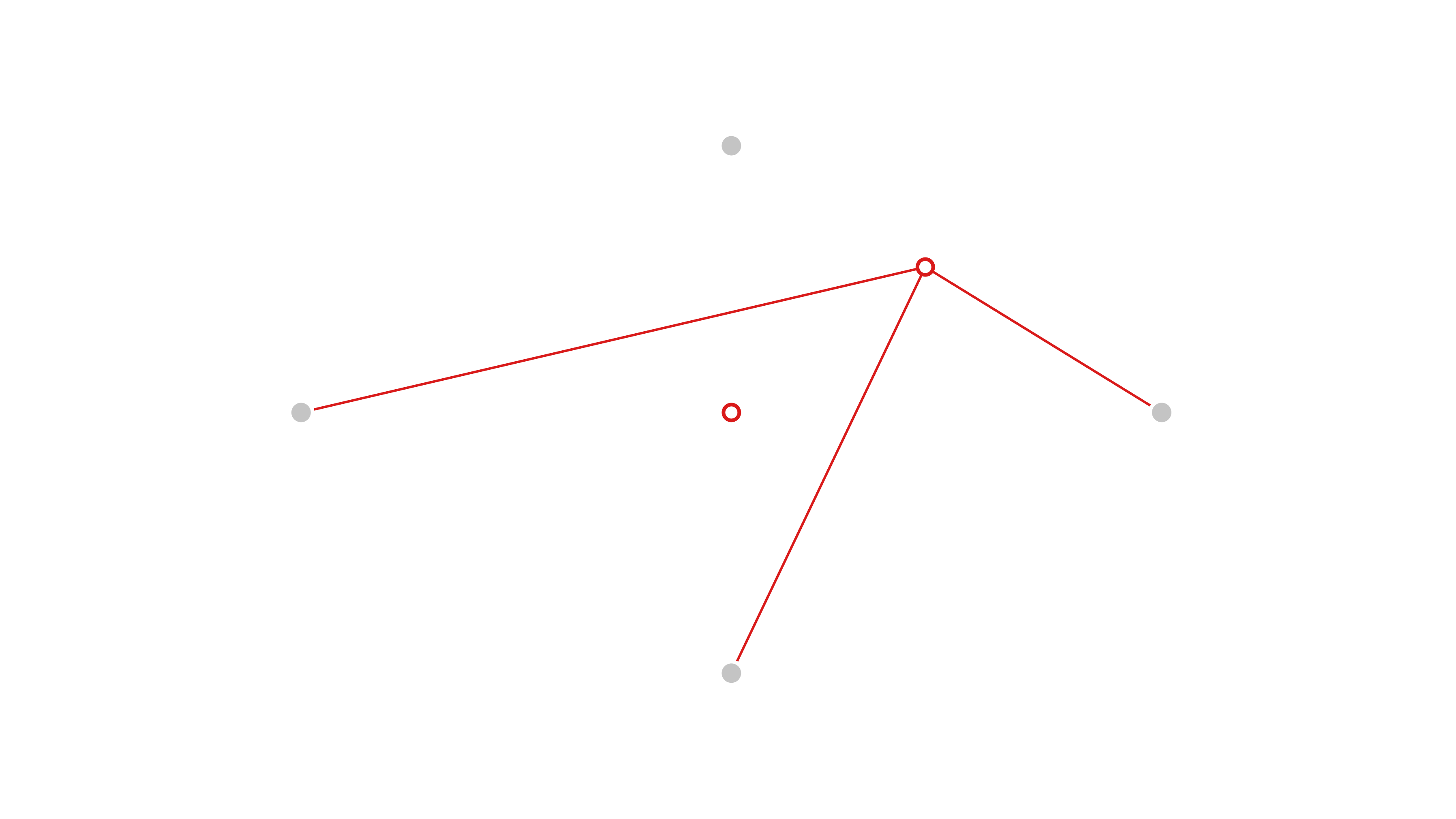 (Original societal development dimension diagram 01)
4. Conclusion:
As far as I am concerned, the rapid development of the experience economy is not a sign of the next era; rather, it is a saturation effect resulting from the excessive growth brought about by the internet. It stems from people’s growing demand for non-material experiences and their reliance on convenience, driven by the relative fulfilment of their infrastructure and material needs. Whether it be the ubiquitous and increasingly widespread mobile applications of today, or the explosive growth of the celebrity economy and the entertainment industry, this excessive development is triggered by consumers’ journey from initial experimentation, through understanding, to the point where such experiences become indispensable.
Just as with the current wave of booming new industries and employment trends — be it in services, interactive design, software development, film and television, entertainment, media or public relations — the expansion of these sectors is precisely a consequence of the benefits brought about by the current experience economy. We can even trace this from the brand-name enterprises that dominated the consumer electronics and digital products market in the late twentieth century to those that are now gradually fading from the mainstream and being forced to transform; Is all of this inextricably linked to the context of our current era, characterised by extreme convenience and an ‘entertainment-at-all-costs’ mentality?
Yet today, should we not adopt a more rational approach to assessing social values and developmental trends, moving beyond blind conformity to create our own intrinsic value and set our own goals? This may well be the aspect that every individual in our contemporary society truly needs to fulfil or rediscover whilst enjoying an entertainment-driven society; it is also what compels us to reflect on the true value and significance of social development; Whether it be innovation and development or marketing and entertainment, these are all elements that should coexist within society. Take design, for example: whilst it may be interwoven with or exist independently within various industry sectors, we must step back and reflect from a higher vantage point: have we truly achieved innovation in its purest form, or is it merely innovation at the level of entertainment or marketing?
*The ownership of the project and the information belongs to the individual only for communication and sharing. Do not copy or use it for commercial purposes.